September 22, 2026
The history of in-car media dates back to the 1930s when basic analog AM radios were first installed. Decades later, FM broadcasting, cassette decks, and compact disc changers revolutionized how drivers listened to music on the road. The late 20th century marked a digital transition that paved the way for advanced MP3 players and auxiliary inputs. Early hardware setups relied on analog wiring, but modern car audio services specialize in upgrading these older platforms to digital head units.
Adapting to Modern Expectations
With the shift from analog to digital, driver expectations for sound clarity and media access increased exponentially. Listeners began demanding higher fidelity, better signal stability, and broader music selection inside the cabin. MP3 compatibility and auxiliary jacks bridged the gap between traditional factory stereos and early personal media devices. This digital foundation supported the eventual shift toward wireless connectivity and direct mobile application integration.
Expanding Wireless Streaming Capabilities
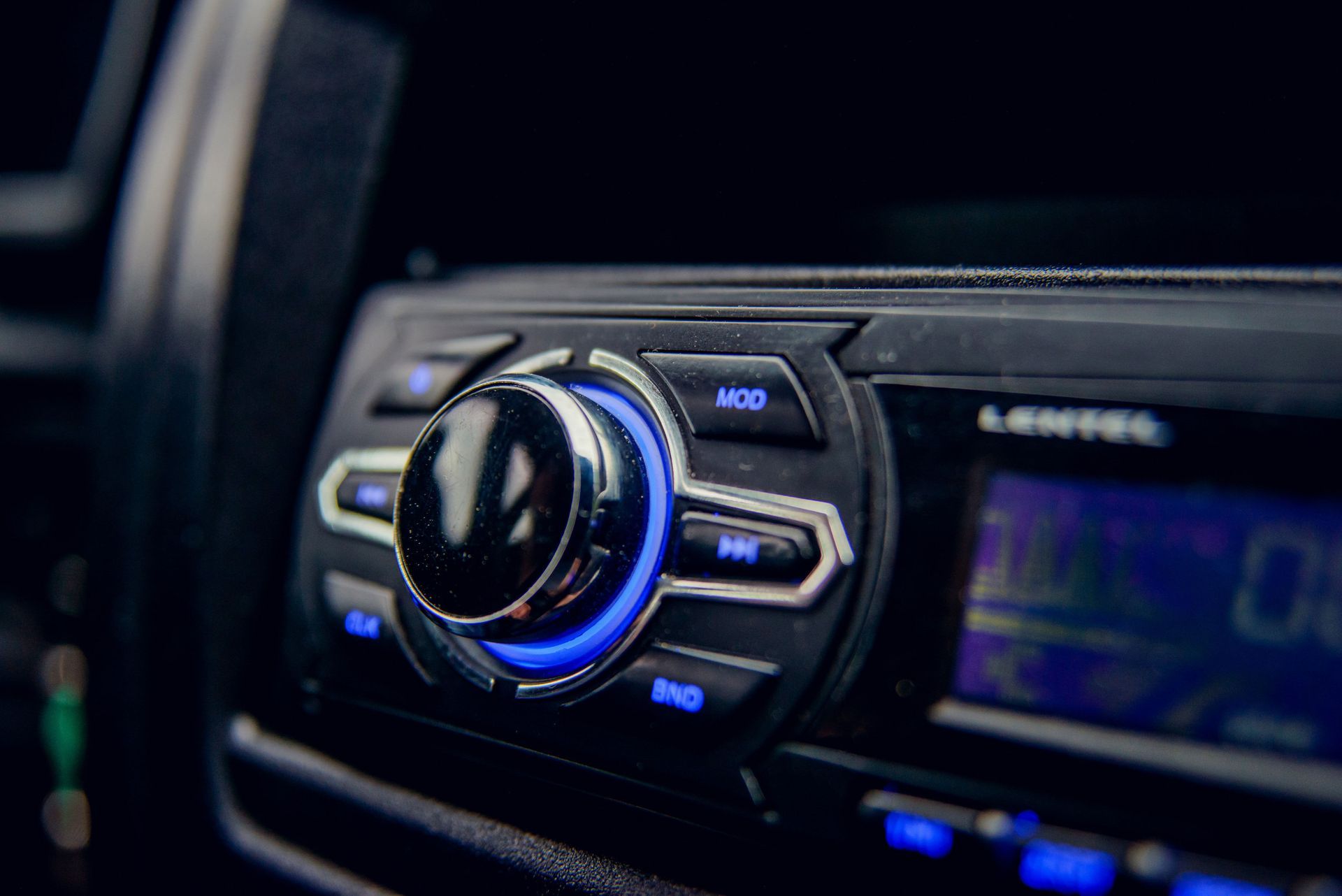
The transition to digital sound initiated the journey toward today's fully integrated, wirelessly connected dashboards. Bluetooth technology served as a major stepping stone, enabling wireless audio streaming and hands-free calling between personal devices and vehicles. Modern car audio services frequently replace outdated factory receivers with Bluetooth-enabled digital media stations. Decades of technological refinement now allow drivers to enjoy wireless capabilities that were unimagined during the analog era.
Transforming Cars into Entertainment Hubs
The rapid adoption of smartphones forced automotive manufacturers to invest heavily in integrated digital interfaces. Drivers wanted their vehicle dashboards to mirror the touchscreens and streaming capabilities of their phones. This continuous push for connectivity transformed vehicles into mobile entertainment centers with custom apps and intuitive touchscreen displays. Professional car audio services help owners retrofit these advanced connectivity features into older vehicle models.
Integrating Advanced Smartphone Platforms
Innovations like Apple CarPlay and Android Auto have become standard expectations for drivers shopping for new or upgraded systems. These platforms provide a unified interface for launching mobile apps, navigating routes, and controlling media through the vehicle's dashboard. According to MOTOR, within the first three weeks of buying a new car, around 37% of people add accessories to their vehicle, highlighting how eagerly drivers upgrade their cabin technology.
Collaborating for Customized Solutions
Brands that successfully integrate user-centric technology see higher customer satisfaction and long-term brand loyalty. Collaborations between mobile app developers and automotive engineers yield customized audio settings, real-time software updates, and voice-activated controls. Professional car audio services ensure these complex app integrations function reliably without disrupting existing vehicle electronics.
Prioritizing Real-Time Mobile Syncing
Modern drivers expect their vehicle audio hardware to sync effortlessly with their favorite mobile applications upon entering the cabin. Essential features include real-time GPS routing, cloud-based music streaming, and hands-free voice assistance. Leading car audio services specialize in installing aftermarket head units that support these modern integration standards seamlessly.
Standardizing Connected Car Features
Rapid advancements in mobile phone technology continue to shape driver expectations for in-car entertainment. Seamless app integration is no longer considered a luxury upgrade; it is a standard feature that vehicle owners actively seek out. Automakers and aftermarket manufacturers innovate continuously to ensure dashboard receivers remain compatible with the latest smartphone operating systems.
Transitioning Between Mobile Environments
Today's in-car entertainment systems are engineered to mirror the speed, responsiveness, and visual clarity of modern smartphones. Advanced integrations allow drivers to transition from listening to a podcast on their phone to playing it over their vehicle's speakers without interruption. Custom installation experts fine-tune these systems to deliver an immersive, user-friendly listening environment.
Partnering with App Developers
The overwhelming popularity of on-demand audio has pressured automotive manufacturers to ensure flawless integration with major streaming apps. Car companies regularly partner with software developers to optimize app performance on vehicle displays. Selecting certified car audio services guarantees that aftermarket touchscreen upgrades preserve these crucial app partnerships and software functions.
Reducing Physical Driving Distractions
Integrating navigation platforms into the central dashboard has fundamentally changed how drivers plan their daily routes. Voice-guided directions interrupt music playback briefly to deliver clear turn-by-turn instructions before smoothly fading the audio back in. This automated balance keeps drivers focused on the road while enjoying their preferred media.
Controlling Audio with Voice AI
Integrating AI voice assistants like Siri, Google Assistant, and Amazon Alexa enables completely hands-free control of dashboard functions. Drivers can request specific songs, dictate text messages, or initiate phone calls using simple natural language commands. Using voice controls keeps the driver's hands safely on the steering wheel and eyes focused on the road.
Refining Natural Language Controls
Voice assistants bridge the gap between handheld mobile devices and dashboard hardware by providing intuitive, hands-free management. Operating through platforms like Apple CarPlay and Android Auto, voice AI handles complex requests without manual menu scrolling. As artificial intelligence improves, voice assistants continue to offer faster, more accurate responses to driver prompts.
Anticipating Driver Preferences Automatically
Modern AI integration extends beyond basic voice commands by learning user habits and anticipating daily driving needs. Advanced natural language processing allows voice assistants to understand conversational requests and contextual commands. Continued innovation in machine learning ensures that in-car voice controls become smarter, more responsive, and increasingly personalized over time.
Fine-Tuning Sound with Equalizers
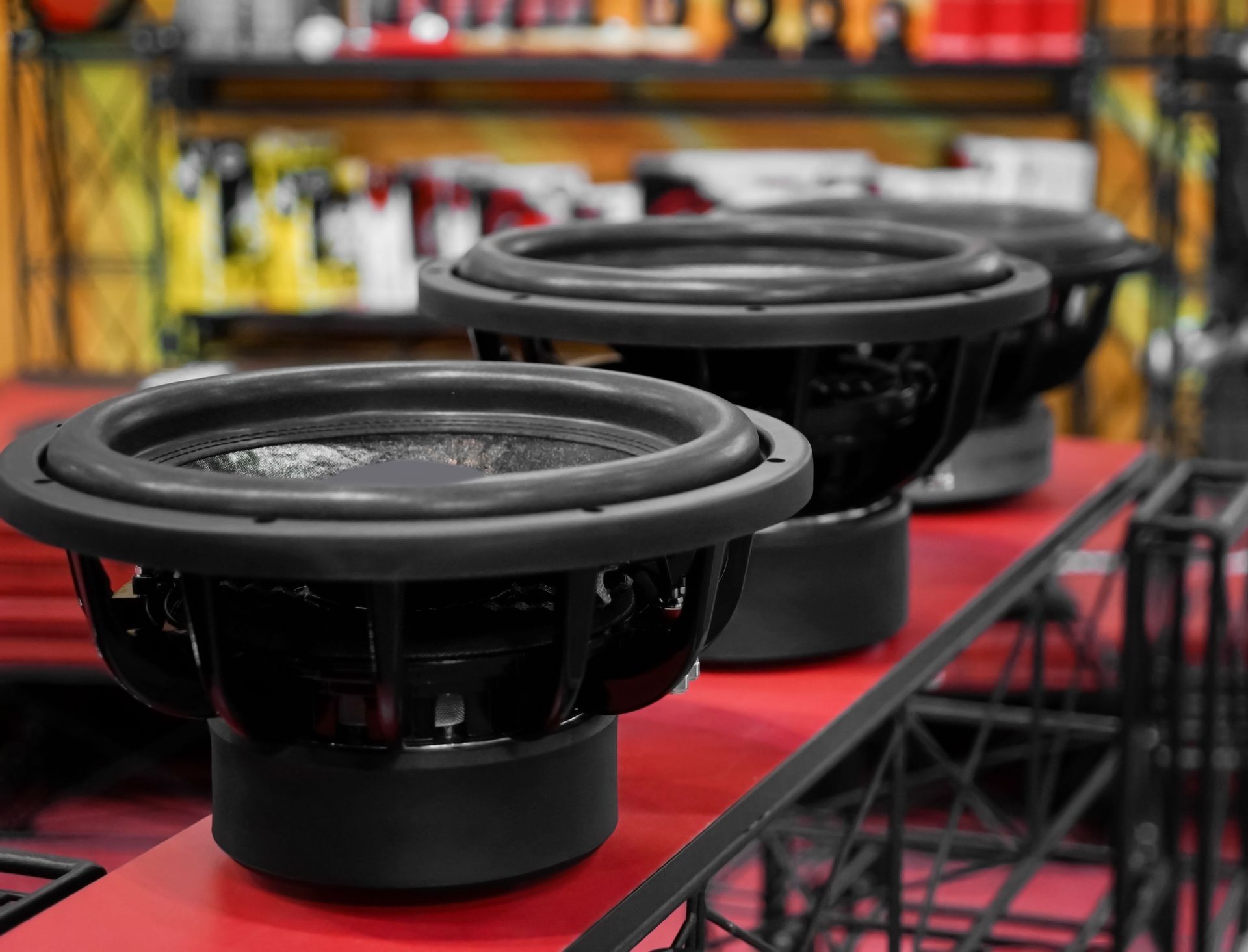
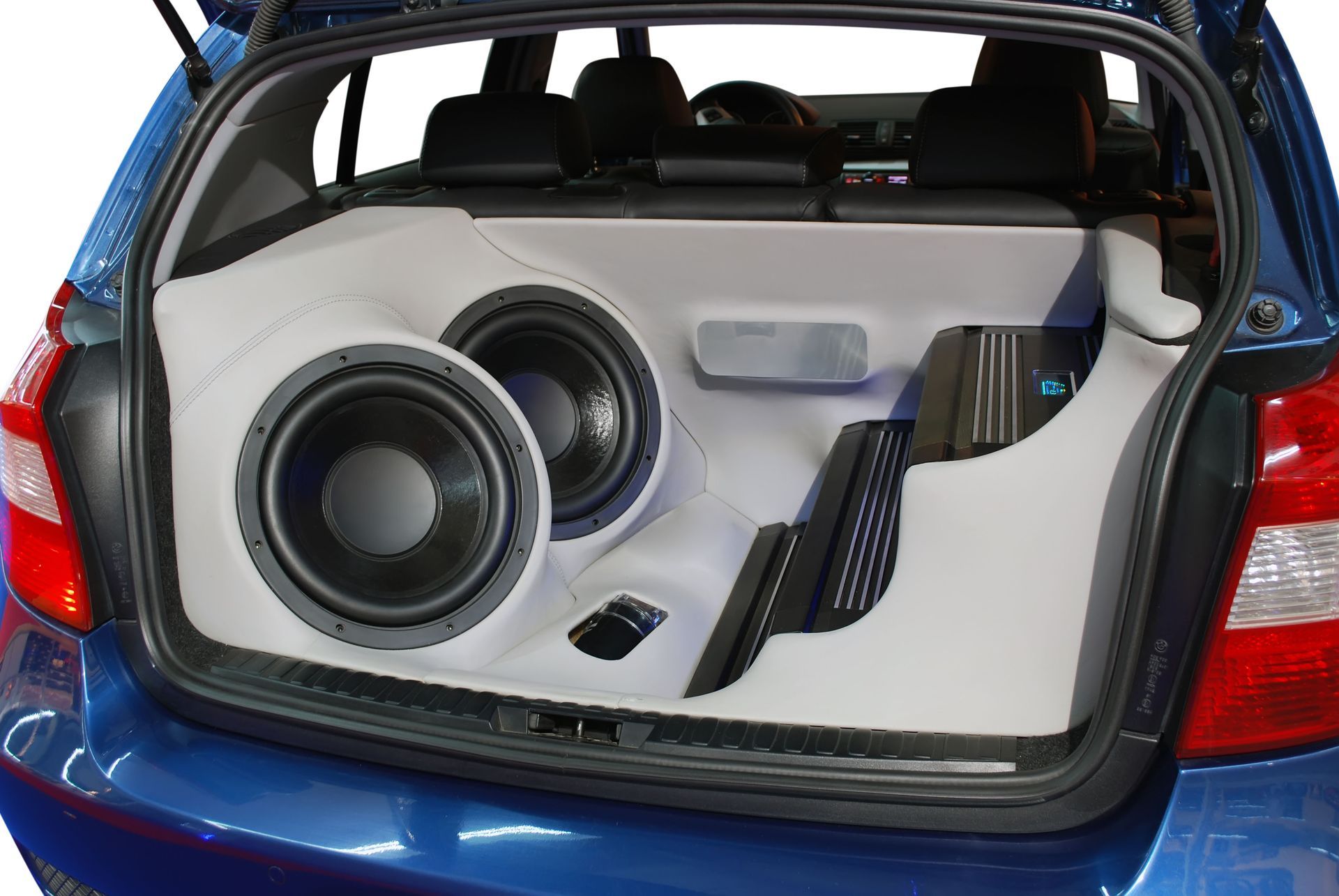
Digital equalizer applications allow drivers to customize frequency responses to match their exact listening preferences. Users can fine-tune bass punch, midrange clarity, and treble brightness directly through their touchscreen displays. Expert car audio services utilize these advanced digital sound processors to calibrate aftermarket speakers and subwoofers for optimal cabin acoustics.
Customizing In-Cabin Soundscapes
Digital sound processing technologies enable precise acoustic customization without requiring physical modifications to the vehicle interior. Equalizer applications often feature time alignment, sound localization, and active noise reduction settings. These digital tools allow audiophiles to create a balanced, concert-like soundstage tailored specifically to their vehicle's interior layout.
Accessing Advanced DSP Controls
Equalizer apps are easily accessible through built-in dashboard menus or paired smartphone control software. This accessibility empowers drivers to adjust sound profiles based on the specific media genre being played, from spoken-word podcasts to bass-heavy music. As audio processing technology advances, customization tools will offer even greater control over vehicle sound dynamics.
Designing Intuitive User Interfaces
App developers play a critical role in optimizing mobile software for safe use within motor vehicles. Working alongside automotive engineers, developers create simplified, high-contrast interfaces designed to minimize visual distraction. These customized app layouts feature large touch targets and simplified menus that are easy to operate while driving.
Optimizing App Performance in Vehicles
Software engineers focus heavily on optimizing app responsiveness and stability within the hardware constraints of vehicle stereos. They design user interfaces that display essential information clearly without cluttering the screen. Continuous software updates ensure that mobile apps remain fully compatible with evolving dashboard operating systems and hardware.
Innovating In-Car Digital Ecosystems
Ongoing collaboration between mobile app developers and hardware manufacturers fosters continuous innovation in the automotive tech sector. User feedback drives regular updates, performance patches, and exciting new feature additions for connected dashboards. This development cycle ensures that in-car media systems adapt smoothly to emerging consumer technology trends.
The seamless integration of mobile applications and modern stereo hardware has completely transformed the driving experience. Upgrading your vehicle with modern touchscreen displays, digital sound processors, and smartphone integration delivers total convenience, safety, and acoustic performance on every drive. To upgrade your vehicle with the latest dashboard technology and custom sound, contact the expert team at Dynamic Car Audio & Security.